

Most people start by looking for the lowest number. We get it. But there’s a reality that comes with that.
A lower price usually means something is being skipped. It might be proper site prep, compaction, drainage planning, or simply the time it takes to do the work correctly. Those things aren’t always visible at first, but they show up later.
We've spent a lot of time in the service world, and one thing has always stuck with us. If what we deliver doesn’t meet or exceed expectations, then we’ve missed the mark. That mindset carries into everything we do here.
Running a legitimate operation comes with real costs. Proper insurance. Taking care of your people. Investing in training, better equipment, and staying current instead of doing things the same way they’ve always been done. It’s not about charging more, it’s about doing things the right way and being transparent about what it takes.
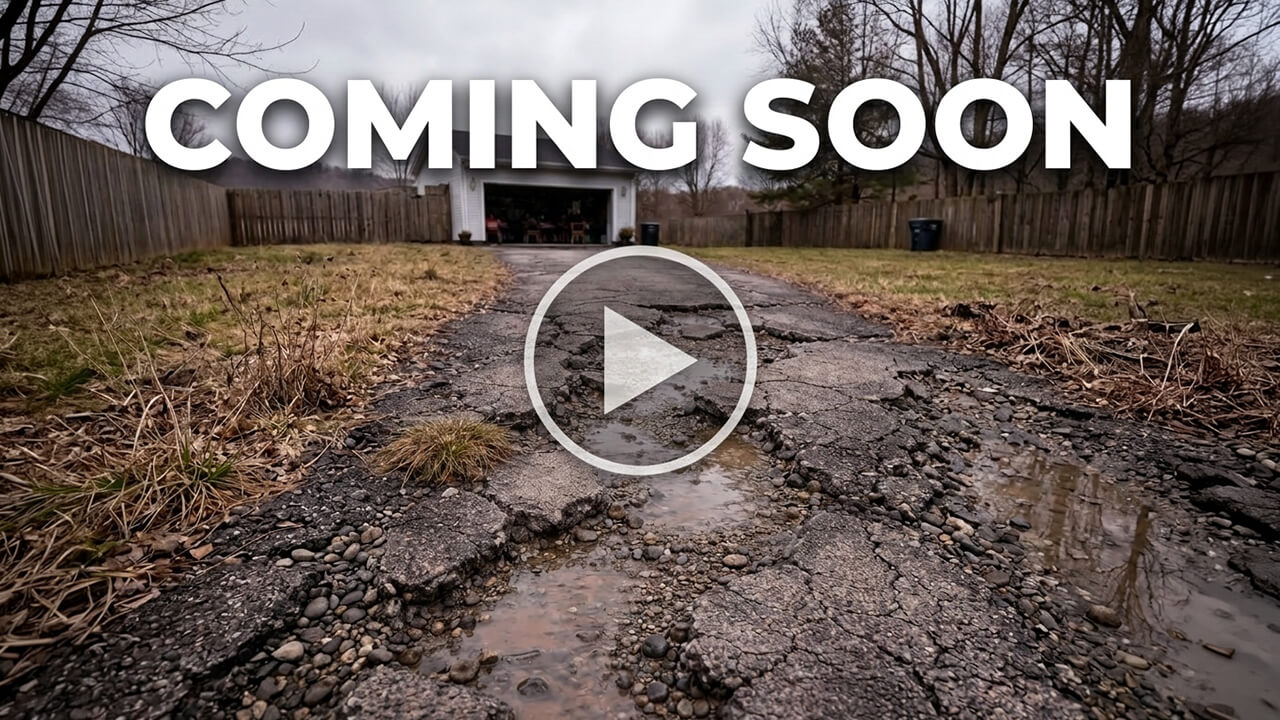
We’ve seen plenty of jobs where the number looked great upfront, but the approach wasn’t built to last. That’s where the problems start. Settling, cracking, drainage issues, and eventually doing the work over again.
At the end of the day, this isn’t about being the cheapest. It’s about doing work that holds up, treating people right, and being straight about what goes into it.
What Looks Cheaper
- Steps in the process get skipped
- Minimal prep or compaction
- Outdated equipment slows things down
- Low bid upfront, adjustments later
What It Really Means
- Less durability over time
- More maintenance and repairs
- Higher cost in the long run
- A project that doesn’t perform like it should